



Vivek Ramaswamy Polls: Is He Leading the 2026 Ohio Governor Race
The search for vivek ramaswamy polls has taken on a new meaning in 2026. Instead of pointing mainly to
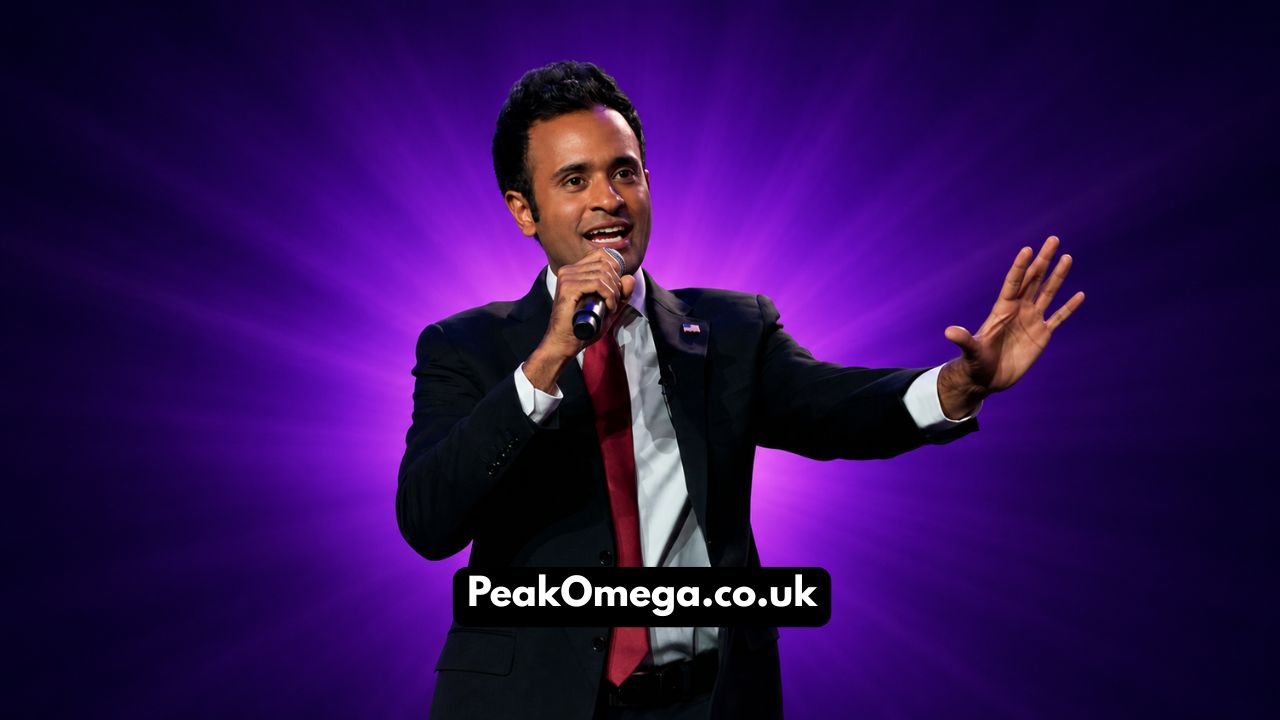
The search for vivek ramaswamy polls has taken on a new meaning in 2026. Instead of pointing mainly to his former presidential campaign, the phrase now centers on his high-profile run for Ohio governor and his competitive general-election matchup against Amy Acton.
After winning the Republican nomination, Ramaswamy entered the next phase of the race with strong name recognition, national political visibility, and support from major conservative figures. Yet the latest polling picture has become far more complicated than a simple “clear favorite” narrative. Several polls show the contest tightening sharply, while poll averages suggest the race is hovering around a near tie.
The biggest takeaway is this: Vivek Ramaswamy polls currently show a highly competitive Ohio governor race, not a runaway contest. Some surveys give him a small edge, others show Acton slightly ahead, and many results fall within the margin of error.
What Do Vivek Ramaswamy Polls Show Right Now?
The current picture from vivek ramaswamy polls is best described as tight and unsettled. Ramaswamy has remained competitive in the Ohio governor race, but the advantage he appeared to hold in earlier stages has narrowed significantly.
A notable April 2026 statewide survey placed Ramaswamy at 48% and Amy Acton at 47%, a difference so small that it should be interpreted as a statistical dead heat rather than a firm lead. Poll averages have also shown the two candidates separated by only fractions of a point.
This matters because public interpretation often treats a one-point lead as decisive, when in reality it may not indicate a meaningful difference at all. A candidate can technically lead in a poll while the race is still effectively tied.
The polling story is not that Ramaswamy is collapsing or that Acton has decisively taken over. The more accurate reading is that Ohio’s 2026 governor race has developed into one of the more closely watched statewide contests of the cycle.
Quick-Read Polling Snapshot
| Topic | Current picture |
| Main race tied to the keyword | 2026 Ohio governor election |
| Republican nominee | Vivek Ramaswamy |
| Democratic nominee | Amy Acton |
| Recent major public poll | Ramaswamy 48%, Acton 47% |
| Poll-average picture | Essentially tied |
| Race status | Highly competitive |
| Biggest takeaway | No clear runaway leader |
How the Polling Trend Has Changed
One of the most important parts of understanding vivek ramaswamy polls is looking at the direction of movement over time.
During earlier phases of the governor race, Ramaswamy looked stronger in head-to-head polling. In 2025, at least one widely discussed survey showed him ahead of Acton by a double-digit margin. That result contributed to an early impression that he might enter the race with a durable statewide advantage.
By late 2025, however, the gap had tightened dramatically. Polling began showing Acton either narrowly ahead or within striking distance. By April 2026, the contest had moved into statistical tie territory.
The apparent trend line
- Early polling suggested Ramaswamy had a clear edge
- Later polling showed Acton gaining ground
- By spring 2026, the race looked close enough to be uncertain
- Current averages indicate neither candidate has a comfortable advantage
This shift does not necessarily mean one side has permanently changed the race. It means voters became more engaged, the contest became more defined, and both campaigns moved from early impressions into a more direct general-election environment.
The phrase “vivek ramaswamy polls” now reflects a genuine battleground question: can he convert national recognition into a stable statewide majority?
Why the Race Looks So Competitive
Several factors help explain why the polls are tight.
Ohio is politically Republican, but not always predictable
Ohio has leaned Republican in recent presidential cycles, yet statewide politics can still become competitive depending on the race, candidates, and national mood. Governor races often create room for voters to evaluate personalities and issue priorities differently than in presidential contests.
Ramaswamy benefits from a strong conservative base and broad recognition among Republican voters. At the same time, Acton enters the race with her own public profile and a message designed to appeal beyond the Democratic base.
Ramaswamy’s strengths are clear
Ramaswamy has several advantages:
- National name recognition
- Strong media visibility
- A loyal conservative following
- A business-oriented political brand
- Ability to generate attention quickly
These factors matter in statewide polling because lower-information races often reward candidates voters already know.
Acton’s challenge to him is also real
Acton has benefited from a combination of statewide familiarity, Democratic consolidation, and voter interest in a competitive alternative. Polling that shows a close race suggests she is not being dismissed by Ohio voters and may be able to compete effectively among independents and persuadable suburban voters.
National mood may influence the state race
Polls conducted in 2026 have also reflected broader concern among voters about the economy, state governance, and national politics. When a statewide election takes place in a politically charged environment, candidates can gain or lose support based on issues beyond their own campaigns.
That is why Vivek Ramaswamy polls should be read in context, not as isolated snapshots.
Vivek Ramaswamy Polls vs Amy Acton Polls
At the heart of this keyword is the direct matchup between Vivek Ramaswamy and Amy Acton. Most current search interest is not about his favorability in the abstract. It is about whether he is ahead in the general-election race for Ohio governor.
The key polling narrative is that the matchup has moved through different stages:
Stage one: Ramaswamy looked favored
Earlier surveys suggested he had a noticeable advantage. His national profile and early political momentum helped shape an initial expectation that he would begin the race from a position of strength.
Stage two: Acton closed the gap
As the race developed, more polling showed Acton running closer to him than many expected. Some surveys even placed her slightly ahead. The shift suggested that the governor race could be more competitive than Ohio’s recent partisan history alone might imply.
Stage three: the race settled into a near tie
By spring 2026, the best summary was not “Ramaswamy leads comfortably” or “Acton has taken control.” Instead, the race appeared to become a genuine toss-up environment in polling terms.
A single poll showing a one-point lead for either candidate is not enough to define the race. What matters is the broader pattern: multiple data points suggesting a close contest.
What Poll Averages Really Mean
Polling averages are often more useful than individual surveys because they reduce the influence of one unusually strong or weak result. When people search for vivek ramaswamy polls, they often want one clean answer, but polling rarely works that way.
Why one poll is not enough
A single poll can differ from another for many reasons:
- Different survey dates
- Registered voters versus likely voters
- Sample size
- Question wording
- Weighting methods
- Turnout assumptions
- Pollster methodology
A ten-point lead in one survey and a one-point lead in another do not automatically mean something suspicious happened. They may reflect different assumptions and different slices of the electorate.
Why averages help
A polling average blends multiple results together and gives readers a better sense of the overall direction. If an average shows the candidates separated by less than one percentage point, that strongly suggests the race is too close to call at that moment.
The clearest interpretation of current Vivek Ramaswamy polls is not “he is definitely winning” or “he is definitely losing,” but rather “the contest is highly competitive.”
How Voter Enthusiasm and Undecided Voters Matter
Poll numbers are only part of the story. Voter enthusiasm and undecided voters can reshape a race between spring and Election Day.
Enthusiasm can change turnout
A poll may show two candidates nearly tied, but if one side is more motivated to vote, that can matter greatly. Higher enthusiasm often helps campaigns turn interest into actual ballots.
If one voter bloc is more energized, it may influence:
- Early voting participation
- Volunteer activity
- Small-donor support
- Campaign event attendance
- Election Day turnout
Undecided voters remain important
A close race with undecided voters still in the electorate can move quickly. These voters may decide based on:
- Economic conditions
- Candidate debates
- Campaign advertising
- Local issues
- Major endorsements
- Controversies or viral moments
Because the polling margin between Ramaswamy and Acton is narrow, even a small shift among undecided or soft-support voters could change who appears ahead in later surveys.
How Reliable Are the Polls?
The best way to read vivek ramaswamy polls is to treat them as a measurement of the race at a given moment, not as a guaranteed prediction of the final result.
Margin of error matters
When one candidate leads by only one point in a poll with a margin of error of several points, the survey does not prove a meaningful lead. It simply suggests that both candidates are in the same competitive range.
This is why phrases like “dead heat,” “statistical tie,” and “within the margin of error” are important. They prevent readers from overreacting to tiny differences.
Timing matters
Polls from before a primary can become less useful once the general-election field is finalized. The May 2026 primary settled the matchup more clearly, so the next wave of surveys will be especially important in determining whether the race remains tied or begins to lean one way.
Poll sponsor matters
Readers should also pay attention to who commissions a survey. Independent academic or media polls may be viewed differently from advocacy-sponsored surveys or partisan polling. That does not mean sponsored polling is automatically wrong, but it should be weighed carefully alongside other data.
Polls are a tool, not a final answer
Polls can reveal:
- The current level of support
- Whether a race is tightening or widening
- How voters respond to candidates
- Whether a campaign is gaining traction
Polls cannot perfectly predict:
- Turnout months later
- Late-breaking issues
- Debate impact
- Scandal effects
- Regional turnout shifts
Polls tell us where the race appears to stand, not where it must end.
What Could Move the Race Next?
The next phase of the Ohio governor race could be shaped by campaign performance, economic messaging, and voter judgments about candidate competence.
Debates and direct contrast
Once Ramaswamy and Acton share a debate stage, voters may judge their styles more directly. Ramaswamy is known for energetic, confrontational communication. Acton may seek to present a steadier and more pragmatic profile. How those approaches land with Ohio voters could influence future polling.
Economic and cost-of-living issues
Statewide races often turn on practical concerns. Voters may focus on:
- Taxes
- Housing costs
- Health care affordability
- Public education
- Job growth
- Local infrastructure
Whichever campaign more effectively connects its message to everyday concerns could gain traction.
National political environment
The governor race will also unfold inside a larger national climate. If Ohio voters feel broadly satisfied with the direction of the country, Republicans may benefit. If frustration rises, Democrats could find more opening.
Candidate favorability
Polling becomes more stable when voters have settled opinions about both candidates. If favorability ratings shift, the head-to-head numbers can shift as well.
The next round of Vivek Ramaswamy polls will matter because it may show whether the current tie is temporary or becoming the durable shape of the race.
Why “Vivek Ramaswamy Polls” Is Trending in 2026
The keyword has gained renewed importance because Ramaswamy is no longer simply a former presidential candidate. He is now positioned in a real statewide general-election battle with national implications.
Several reasons explain the search demand:
- He remains a high-profile political figure
- Ohio governor races attract national attention
- The matchup against Amy Acton is competitive
- Poll results have changed over time
- Readers want to know whether earlier expectations still hold
- His support among Republicans does not automatically answer his statewide general-election prospects
This makes vivek ramaswamy polls a strong informational keyword. People are not just searching for a number. They are searching for meaning: Is he actually ahead? Is the race slipping? Can Acton beat him? Is Ohio more competitive than expected?
A helpful article needs to answer all of those questions without exaggeration.
Conclusion
The latest vivek ramaswamy polls point to a competitive and closely watched 2026 Ohio governor race. Ramaswamy remains a powerful political figure with substantial recognition and a committed base, but the polling picture has tightened enough that the general election cannot be treated as settled.
The most responsible interpretation is that Ramaswamy and Acton are locked in a serious contest, with future movement likely to depend on turnout, debates, issue framing, voter enthusiasm, and how undecided Ohioans break later in the campaign.
For readers looking for a clean answer, the conclusion is clear: Vivek Ramaswamy is highly competitive in the polls, but he does not hold an unshakable lead. The race remains open
FAQs
What do Vivek Ramaswamy polls currently show?
Current Vivek Ramaswamy polls show a very close Ohio governor race, with some surveys placing him narrowly ahead and others showing Amy Acton slightly leading.
Is Vivek Ramaswamy leading Amy Acton in the polls?
He has led in some recent polling, but the broader picture is effectively tied, with several results falling within the margin of error.
What is the latest major polling trend in the Ohio governor race?
The main trend is that a race once viewed as more favorable to Ramaswamy has tightened into a highly competitive contest.
Did Vivek Ramaswamy win the Republican primary for Ohio governor?
Yes. He won the Republican nomination and moved into the general election against Democrat Amy Acton.
Why do Vivek Ramaswamy polls vary so much?
Polls vary because of different sample groups, timing, methodology, voter screens, turnout assumptions, and poll sponsors.
Are Vivek Ramaswamy polls a reliable prediction of the election result?
They are useful for measuring the race at the moment, but they are not a guaranteed forecast of the final outcome..
If you liked this blog, read more stories at our site and Stay tuned!
Updated Report: May 2026
Peakomega.co.uk